Iowa’s Hemp Program Explained: How CBD Petrol Is Regulated
The legalization of hemp at the federal level transformed the cannabis business across the Usa States, and Grand rapids is no exclusion. With growing client interest in CBD oil for health and fitness and therapeutic uses, Iowa established a structured hemp program to regulate nurturing, processing, and selling. While CBD olive oil is legal within the state, it is definitely not unregulated. Iowa’s hemp program performs a central part in determining just how CBD oil is definitely produced, tested, in addition to sold.
This post describes Iowa’s hemp software, how it works, and how this regulates CBD essential oil to ensure safety, legality, and compliance.
Are usually Iowa Hemp Program?
The Iowa Hemp Program is usually a state-regulated platform designed to oversee the cultivation, control, and distribution of business hemp. It has been created following national hemp legalization to be able to ensure that hemp-derived products, including CBD oil, meet strict legal and safety standards.
Under the program, hemp is lawfully defined as hashish containing no even more than 0. 3 percent THC on the dry-weight basis. Any cannabis plant or product exceeding this particular limit is regarded as marijuana and is definitely illegal outside of Iowa’s medical cannabis program.
Why Iowa Manages Hemp and CBD Oil
CBD essential oil is acquireable, although without proper oversight, products could pose safety risks or perhaps violate state legislation. Iowa regulates hemp and CBD olive oil to:
Prevent illegitimate marijuana production
Ensure THC limits happen to be strictly enforced
Safeguard consumers from infected or mislabeled goods
Support legitimate hemp farmers and companies
Maintain consistency using federal law
Typically the hemp program helps Iowa strike a balance between allowing consumer entry to CENTRAL BUSINESS DISTRICT oil and preserving public safety.
License Requirements for Hemp Growers
Anybody or perhaps business wishing to grow hemp in Iowa must obtain a certificate through the express hemp program. This specific licensing process consists of background checks, program fees, and submitter of detailed expanding plans.
Licensed declaring no to prop are required to follow strict recommendations associated with planting, collection, and reporting. Hemp fields are theme to inspection, in addition to growers must allow access for tests to ensure THC levels remain within legal limits.
Developing hemp without a new license or going above THC thresholds may result in crop destruction, fines, or perhaps legal penalties.
Hemp Processing and CBD Oil Manufacturing
In addition to cultivation, Iowa controls hemp processors that extract CBD petrol from raw hemp. Processors must end up being licensed and stick to approved extraction methods to ensure product safety.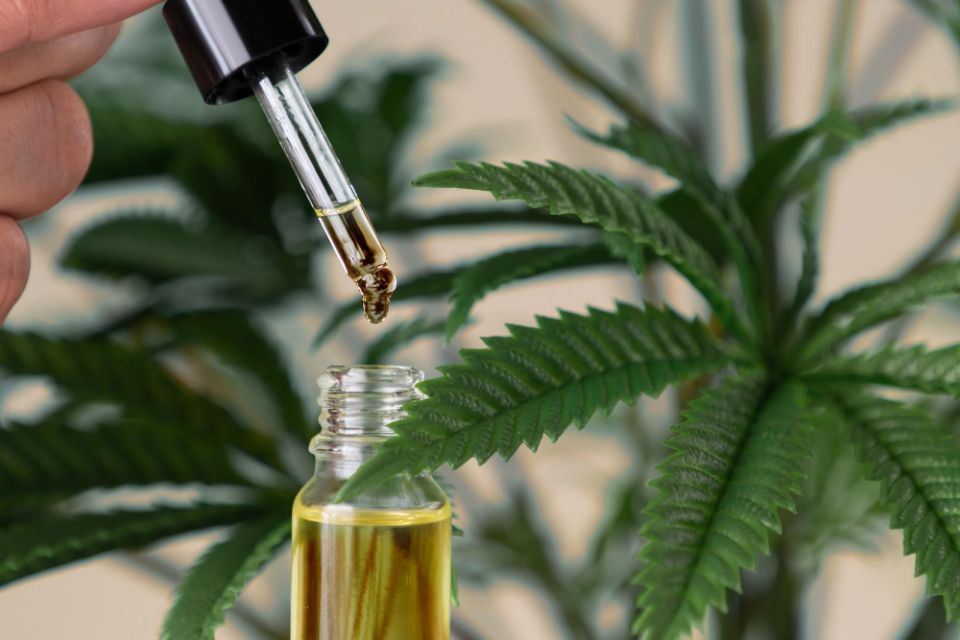
CBD oil production involves removing cannabidiol from your hemp plant and mixing up it with company oils. Improper removal techniques can lead to toxins or unsafe goods, which is exactly why Iowa places importance on regulated processing facilities.
Processors are usually responsible for guaranteeing that CBD olive oil meets THC limitations and complies with labeling and testing standards.
THC Screening and Compliance Specifications
One of the particular most important aspects of Iowa’s hemp program is THC testing. Hemp plant life and CBD oil products must undertake laboratory testing in order to verify that THC levels do certainly not exceed 0. several percent.
Testing is usually typically conducted by simply approved laboratories making use of standardized methods. In case a hemp harvest or CBD essential oil batch exceeds typically the legal THC control, it is labeled as non-compliant and even may be theme to disposal or even remediation.
This tight testing system will be essential to maintaining the particular legal distinction between hemp-derived CBD oil and marijuana products.
CBD Oil Marking Rules in Iowa
Proper labeling is a key requirement under Iowa’s hemp regulations. CBD oil products bought from the state must offer clear and accurate information to buyers.
Labels should consist of:
Total CBD content per container plus per serving
THC attentiveness
Complete ingredient list
Manufacturer or even distributor information
Group or lot quantity for traceability
Deceiving labels or erroneous cannabinoid information can certainly result in enforcement action. These demands help consumers help make informed decisions and be sure transparency in the CBD market.
Third-Party Laboratory Testing
While Iowa does certainly not manufacture CBD oil itself, it strongly emphasizes third-party laboratory testing. These individual tests verify:
CENTRAL BUSINESS DISTRICT and THC ranges
Absence of pesticides or herbicides
Absence of heavy metals
Absence involving residual solvents
Overall product basic safety
Consumers are encouraged to decide on CBD oil products backed by the latest lab testing. This particular practice helps make sure compliance with Iowa’s hemp program and reduces the risk of getting illegal or unsafe products.
Retail Great deals of CBD Oil based in Iowa
CENTRAL BUSINESS DISTRICT oil that lives with hemp program standards can be offered in Iowa through physical retailers and even online platforms. Suppliers must ensure how the products they have come from licensed growers and cpus.
Retailers are prohibited from selling CBD oil that is greater than THC limits or perhaps lacks proper labels. Additionally, they must avoid making unapproved health or medical claims about CENTRAL BUSINESS DISTRICT oil.
Failure to be able to comply with store regulations can effect in product seizures, fines, or loss of business the required licenses.
Restrictions on Health and fitness Claims
Under Iowa’s hemp program, CENTRAL BUSINESS DISTRICT oil is not necessarily classified as a medicine unless authorized through appropriate healthcare channels. Consequently, retailers cannot market CENTRAL BUSINESS DISTRICT oil as being a therapy or cure intended for specific diseases.
Claims related to practitioner or healthcare provider, treating, curing, or preventing medical situations are prohibited. click to read more protects buyers from misleading details and aligns Iowa regulations with wider federal standards.
Transportation and Storage Restrictions
CBD oil and hemp products can be transported within Iowa as long as these people meet hemp program requirements. Products have to be stored plus transported in appropriately labeled packaging.
Carrying untested or non-compliant hemp products could cause legal issues, set up THC content is merely slightly above the legal limit. Documentation and appropriate handling prevent misunderstandings during inspections.
Effect on Consumers
For consumers, Iowa’s hemp program provides confidence that legal CENTRAL BUSINESS DISTRICT oil products match basic safety in addition to quality standards. The particular program helps decrease the risk of contact with illegal THC levels or harmful contaminants.
However, customers must still physical exercise caution. Not most CBD products on the subject of the market are created equal, plus understanding labeling in addition to testing information keeps essential.
Influence on Growers and Companies
Iowa’s hemp program has created new options for farmers and entrepreneurs. Hemp farming offers an alternate crop option, although CBD oil generation supports local organizations and job generation.
Simultaneously, strict regulations signify compliance will be critical. Farmers plus processors must invest in testing, credit reporting, and quality control to remain within the law.
Challenges Within the Hemp Program
Despite their benefits, Iowa’s hemp program faces continuous challenges. THC variability in hemp vegetation, regulatory complexity, in addition to market competition can create difficulties for stating and processors.
Weather conditions, genetics, and cropping timing can just about all affect THC ranges, making compliance a continuing concern for farmers.
The Future associated with Iowa’s Hemp Software
As of 2026, Iowa continues to refine its hemp regulations. The express aims to boost clarity, strengthen enforcement consistency, and assistance industry growth when safeguarding consumers.
Future improvements may include sharper guidance on testing specifications, expanded education regarding growers, and more streamlined licensing techniques.
Conclusion
Iowa’s hemp program plays some sort of crucial role inside of regulating CBD essential oil and ensuring that products sold on the state will be legal, safe, plus compliant. From farming and processing in order to testing and retail store sales, every action of the CENTRAL BUSINESS DISTRICT oil supply sequence is influenced with this regulatory framework.
Intended for consumers, understanding just how Iowa regulates hemp and CBD olive oil helps promote less dangerous purchasing decisions. With regard to businesses and growers, compliance using the hemp program is important intended for long-term success. While the CBD sector continues to progress, Iowa’s hemp plan remains the foundation that supports some sort of legal and controlled market.